


I close my code editor and stretch. It has been a good day. The team is in sync, the problems are worth solving, and I never find myself watching the clock.
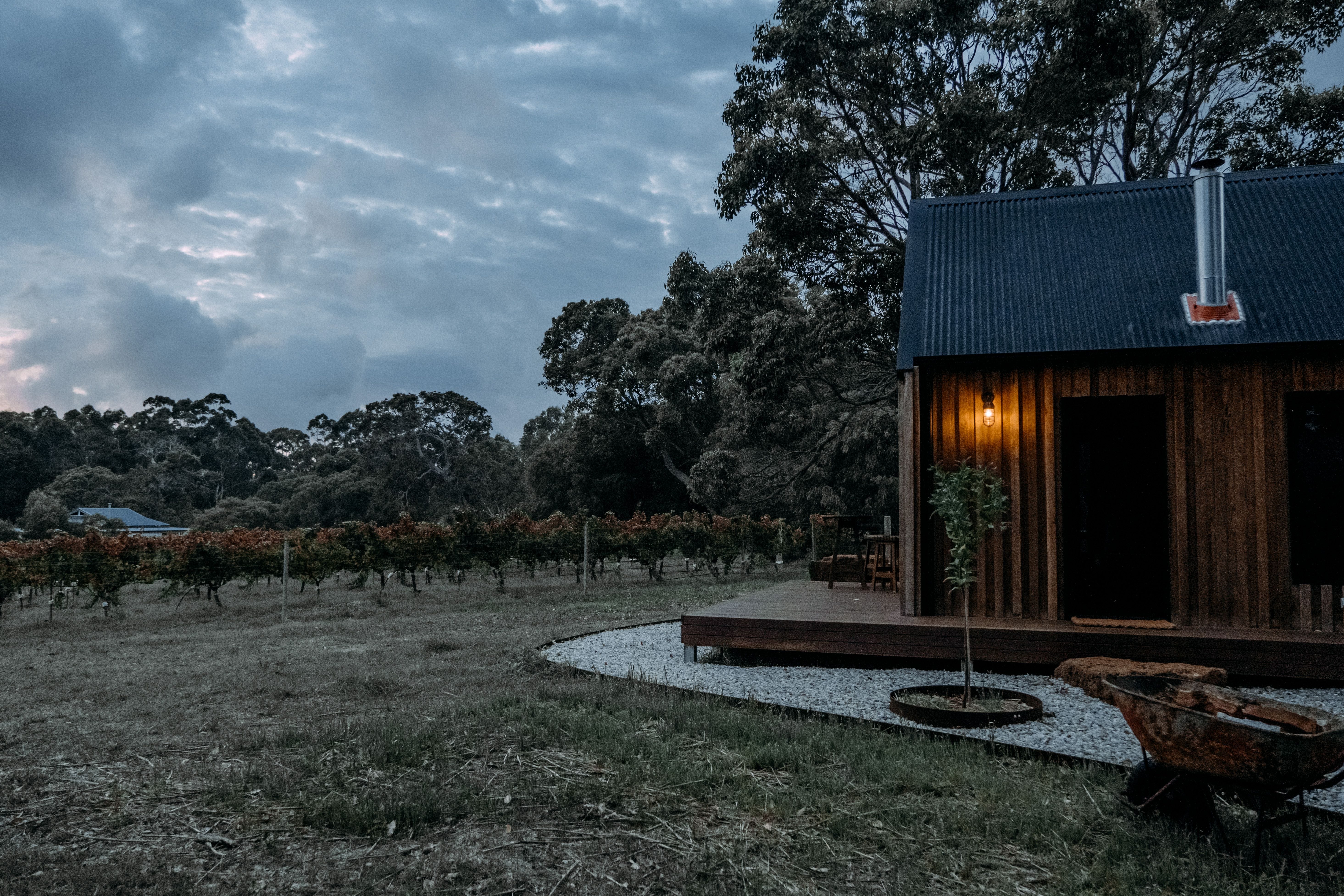
When I log off, the room becomes a home again. One worker steps away. The other continues quietly in the background.
Hiring My Second Worker
I often imagine my life being supported by two workers. The first is me — the developer, collaborating with a great team, writing code, and solving urgent bugs. The second is the capital I have accumulated. At some point, I stopped thinking of it as money sitting in an account and started seeing it as a silent employee. I put it to work, then leave it alone.
I never expected it to replace my work. I only wanted it to work alongside me.
Speaking the Same Language
I love my day job, but work is still work. It requires my attention, my meetings, and my adaptability. When a server crashes or a deadline shifts, I have to move at its pace. It is satisfying, but it still depends on me being there.
The second worker lives by a different rhythm, so comparing the two is not straightforward. I needed a shared language, a single metric that could describe them both. I chose the official length of my working day — 8 hours. This became the common language between them.
The Worker Who Doesn’t Clock Out
My day has 8 working hours, but this second worker doesn’t stop when I log off. It keeps going through the evening, through the night, and into the next morning.
To compare us fairly, I measure both over the same 8-hour shift.
Every shift, my second worker quietly earns another couple of euros. One shift while I am writing code. Another while I am making dinner or reading a book. A third while I am asleep.
Once I put this worker to work, the best thing I can do is leave it alone.
This steady worker requires no micro-management. There are no performance reviews, no accountants, and no bureaucracy. It never complains about the work environment. I simply provide the capital and watch the earnings accumulate.
It is the closest thing to hiring someone trustworthy, without asking for another person’s time.
The Work I Chose Not to Do
I once tried to build a third worker. For two months, I paper-traded, trying to actively manage my capital. The strategy demanded constant attention, which meant staying in front of the screen.
Adding 3 more hours to an 8-hour workday broke me. The mental load was too heavy for the return. I watched pullback setups appear on the charts. The strategy suited my temperament. The workload did not.
If I did not have my day job, perhaps I could have sustained it. But 11 hours at a monitor is a life I refuse to build. My attention has limits, and I finally found mine.
What the Two Workers Earn
So I rely on the two workers I have. Every 8-hour shift, my second worker quietly earns another couple of euros. My own work still carries most of the weight.
The second worker is not there to replace the first. That was never the goal. It is there to make sure my livelihood no longer depends on a single worker. One worker depends on my attention every day. The other depends on decisions I made years ago. One stops the moment I do. The other quietly continues.
I push the chair back and turn off the monitor. The room dims. The small noises of work disappear one by one, until nothing remains but the quiet around me.
Somewhere beyond the dark screen, the other worker keeps working, supporting the life I return to each morning.